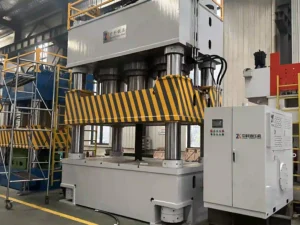
Recycling HDPE to create pallets is a sustainable practice that reduces waste and leverages the material’s inherent strengths. Using a compression molding machine, manufacturers can transform scrap HDPE into high-quality pallets.
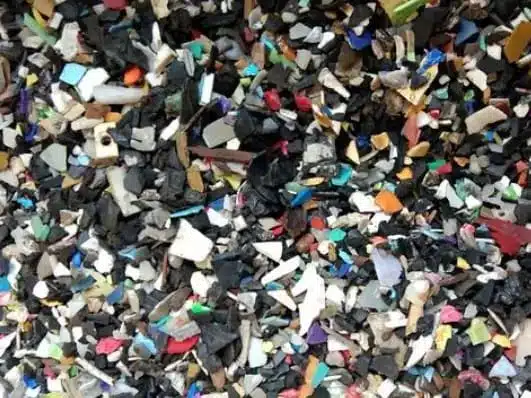
HDPE Recycling and Pallet Molding Process
- Collection: Used HDPE products, such as bottles or industrial scraps, are collected from recycling bins or waste streams. Companies like Scrap Management (as seen on their site) specialize in sourcing HDPE bottles in bales for recycling.
- Sorting: The collected HDPE is sorted to remove contaminants like labels, caps, or non-HDPE plastics, ensuring a pure feedstock.
- Shredding: The sorted HDPE is fed into shredders, breaking it down into small flakes or granules for easier processing.
- Washing: The flakes are thoroughly cleaned to remove dirt, residues, or adhesives, producing high-quality recycled material.
- Melting: The clean HDPE flakes are melted in the screw extruder at a temperature of 240℃, preparing them for molding.
- Metering System: This molten plastic dosing system was originally developed and pioneered by ZK Hydraulic. It enables highly accurate control of pallet weight, ensuring consistent product quality.
With the joint development and optimization by experts from Taiwan, the system has evolved into the most advanced and stable molten plastic dosing solution in the industry today.
Unlike conventional dosing systems, which tend to suffer from molten plastic leakage after long-term operation, this upgraded system eliminates leakage issues. At the same time, it offers significantly higher dosing accuracy, resulting in improved reliability, reduced material waste, and more stable production performance. - Compression Molding: The molten HDPE is placed into a mold within a compression molding machine. The machine applies pressure to shape the material into a solid pallet. This method ensures uniform density and strength.
- Cooling and Finishing: The molded pallet is cooled, removed from the machine, and trimmed or finished as needed for immediate use.
Recycled Plastic Pallet Molding Machine

For those looking to invest in this process, I recommend exploring the plastic molding machines from PalletsBiz (PalletsBiz is a sub-brand of ZK Hydraulic). PalletsBiz is a leader in the industry, offering state-of-the-art compression molding machines designed for efficiency and precision. With years of experience, they not only provide top-tier equipment but also excel in mold design and production, ensuring your pallets meet exact specifications.
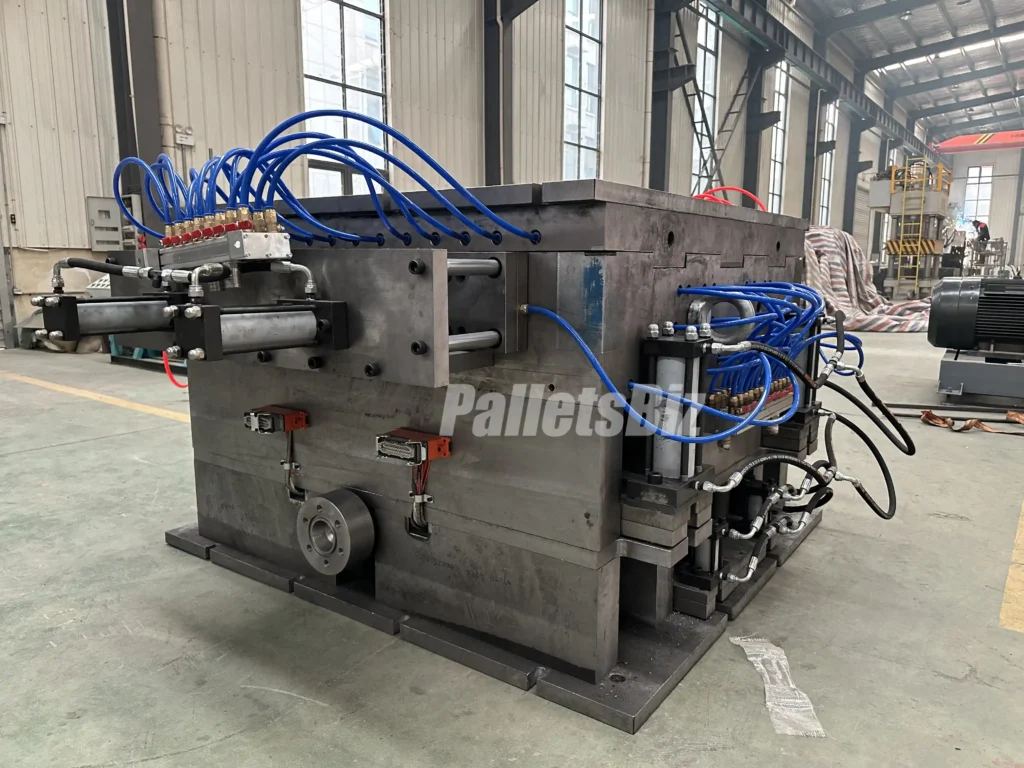
ZK Hydraulic has a complete and fully integrated industrial chain, covering the design and manufacturing of both press machines and molds.
As a result, product quality and delivery schedules are fully under their control.
Currently, ZK Hydraulic holds the leading market position in China, with a market share of approximately 70% in molded pallet equipment and plastic molding machines.
At the same time, ZK Hydraulic has a strong global presence, with its molded pallet and plastic forming equipment exported to more than 42 countries and regions worldwide.
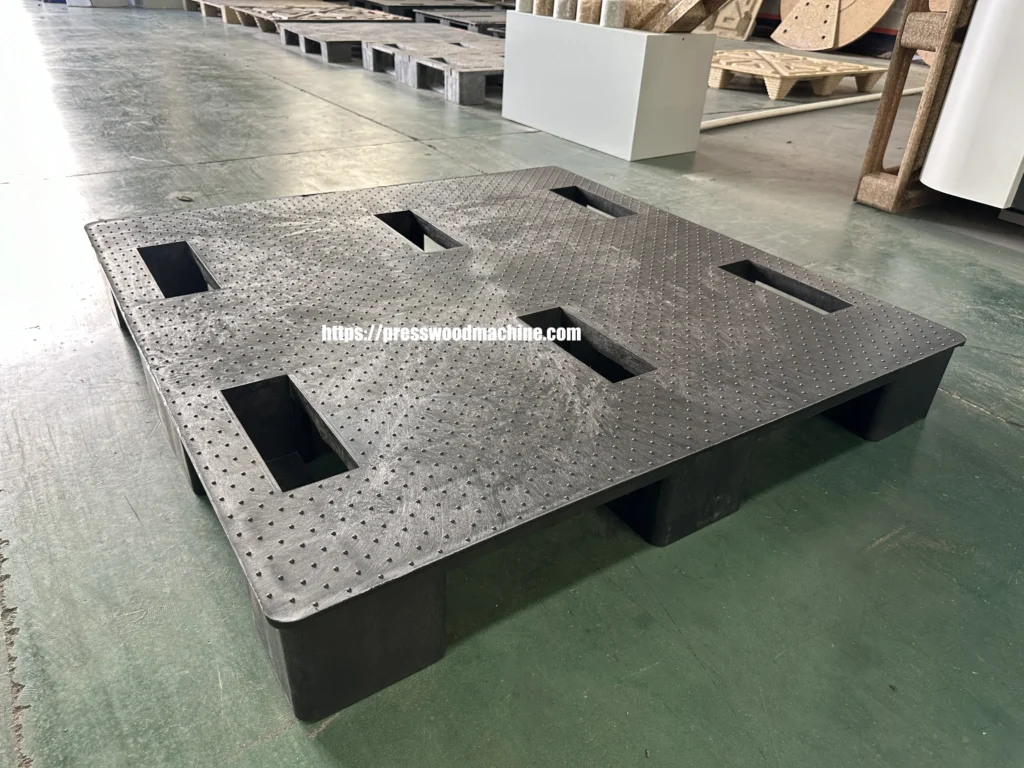
Additionally, PalletsBiz offers complementary plastic recycling equipment, making it a one-stop shop for setting up a sustainable pallet manufacturing operation. Their expertise and comprehensive solutions can streamline your production while maximizing the benefits of recycled HDPE.
Conclusion
HDPE’s journey from petroleum-based ethylene to a key material for pallets highlights its remarkable versatility and sustainability. Its production process yields a strong, durable, and recyclable plastic that serves countless purposes, with pallets being a standout application in logistics. By recycling HDPE using compression molding machines, manufacturers can create eco-friendly pallets that meet modern demands for durability and environmental responsibility.
Whether you’re in the market for equipment or simply curious about HDPE, companies like PalletsBiz offer the tools and expertise to bring these ideas to life, paving the way for a greener future in industrial manufacturing.