
General Administration of Customs of China Order No. 283 came into force today, November 1, 2026, revising the Measures for the Administration of Quarantine Treatment of Wood Packaging for Export Goods — the rulebook covering every solid-wood pallet, crate and dunnage piece that leaves a Chinese factory. The amendment adds the Biosecurity Law as a legal basis, tightens the wording around suspending an IPPC marking license, and scrapes away the old special provisions for Hong Kong and Macao shipments, which now follow the same rules as any other export. If you ship out of China on nailed solid-wood pallets, or you buy from suppliers who do, the margin for sloppy heat-treatment records and blurry IPPC marks just got thinner.
Here’s the part most shippers haven’t connected yet: this is not an isolated Chinese housekeeping exercise. It’s the fourth enforcement tightening on wood packaging in ten months, and each one has quietly raised the real cost of running a traditional timber pallet on an export lane.
The Four Crackdowns, in Order
January 1, 2026 — the United States.USDA APHIS resumed strict enforcement of the hyphenated ISPM 15 mark format after a grace period. CBP agriculture specialists now check not just whether a mark exists, but whether it’s formatted correctly — country code, producer number, treatment code, the IPPC symbol. A mark that’s almost right is a mark that isn’t. The agency reported intercepting more than 24,000 non-compliant wood packaging shipments in 2025 alone, and repeat violators get flagged for enhanced scrutiny.
August 1, 2026 — the European Union. Electronic verification of wood packaging declarations went live through TRACES. Treatment claims that used to be checked by eyeballing a stamp are now cross-referenced against registration data. Faking or borrowing a treatment number got a lot harder.
September 1, 2026 — France. This one flew under most radar. Following an outbreak of pine wood nematode (Bursaphelenchus xylophilus) in the Landes region, France’s border inspection authority SIVEP introduced national controls: wood packaging accompanying any SPS-goods consignment into France — live animals, animal products, plants, high-risk feed — now requires a separate CHED-PP notification through TRACES, including the individual treatment facility numbers stamped on the pallets. Defra’s September 16 OVS note confirms that where non-compliant pallets are detected, the expectation is destruction “as quickly as possible to prevent further circulation.” Not treatment. Not re-export. Destruction.
November 1, 2026 — China. GACC Order 283, effective today. The substance: stricter mark licensing discipline on certified treatment enterprises, higher legal stakes under the Biosecurity Law, and unified requirements for Hong Kong and Macao exports. For an exporter, the practical read is that heat-treatment and fumigation records must be complete and traceable, because the enforcement machinery behind the IPPC mark just got a firmer legal spine.
Layer on top of this the IPPC framework now adopted by 186 countries, EU plans to raise targeted WPM inspections by around 25% for 2025–2026, and near-100% inspection rates for high-risk origins into Australia and New Zealand. The direction of travel isn’t subtle.
Why the French Rule Is the One That Should Worry Exporters Most
Most of the four crackdowns punish a bad pallet. The French rule punishes a missing paper trail — per consignment, in advance.
A CHED-PP for wood packaging means the person responsible for the load has to register in TRACES, clone or create a plant-health entry document specifically for the pallets, and enter the treatment plant numbers from the marks before arrival. Get it wrong and your goods sit at a French border control post while demurrage runs — and the pallets themselves may never come back, because non-compliant WPM gets destroyed on the spot.
Notice what France didn’t do: it didn’t relax anything for anyone. The nematode outbreak in Landes turned a routine customs formality into a per-shipment administrative burden overnight. That’s the lesson of 2026. Enforcement is not a stable cost you can budget for once; it’s a ratchet, and every outbreak, every interception statistic, and every revision like Order 283 clicks it tighter. The ISPM 15 framework isn’t weakening — compliance burden around it is compounding.
What Each Crackdown Actually Costs
Let’s put rough numbers on the solid-wood route, because procurement spreadsheets rarely do.
Fumigation or heat treatment for an export batch in China typically runs ¥3,000–5,000 per lot and adds 2–3 days of lead time before the container can book. Over a year of weekly exports, that’s a six-figure RMB line item sitting quietly in your logistics cost — plus a recurring two-to-three-day tax on every shipment’s schedule. A single customs detention incident on a non-compliant pallet commonly costs $2,000–5,000 in fees and, more expensively, in buyer goodwill. And under the new Order 283 regime, the risk isn’t just the container; it’s the treatment enterprise’s marking license, which can now be suspended with clearer legal backing — meaning the supply of compliant solid-wood packaging itself can tighten.
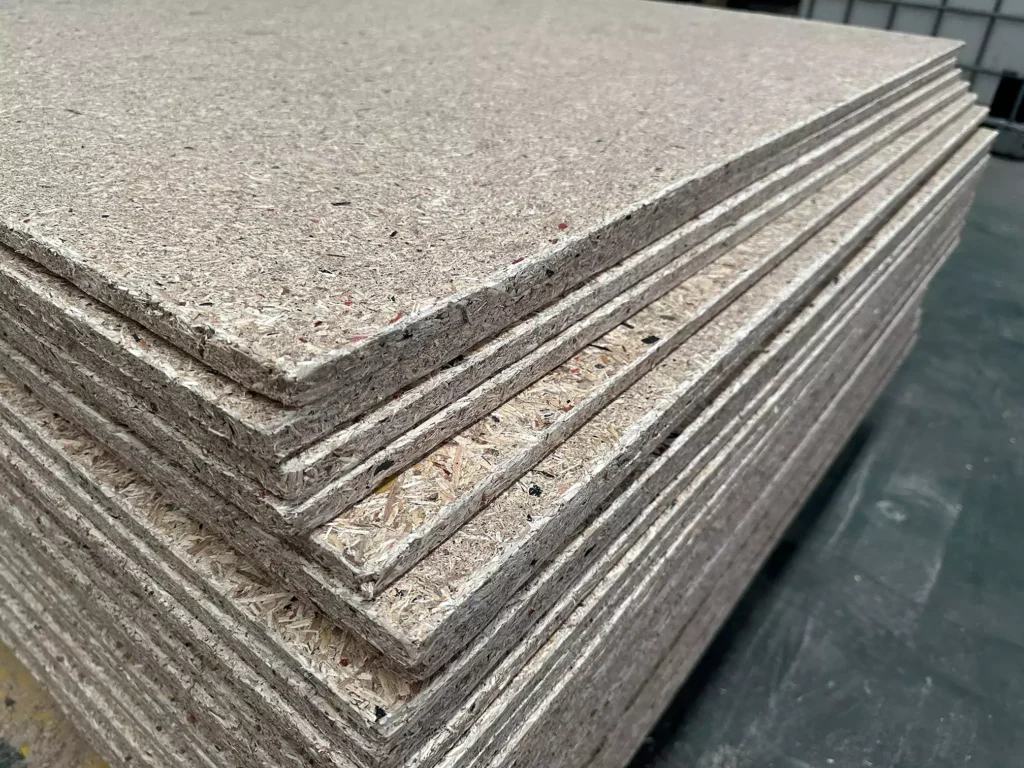
Against that, the exemption route looks almost boring. Molded presswood pallets are manufactured from wood fiber and resin under high temperature and pressure — typically 150–200°C in a 1,000–1,600-ton hydraulic press — which places them in the processed-wood category that ISPM 15 exempts outright, alongside plywood and OSB. No fumigation certificate. No treatment facility number to chase. No CHED-PP data entry for the pallet, because there’s no raw wood component to notify. The exemption isn’t a loophole; it’s written into the standard, which is why market research now pegs demand at 255–275 million molded units in 2026, with the engineered pressed-wood segment heading from $2.8 billion toward $4.2 billion by 2036 and unit prices holding at $10.1–10.9 — a premium many exporters absorb happily once the compliance line item disappears.
Surveys already show over 70% of exporters preferring ISPM-15-exempt pallets on international lanes. After a year like this one, that number only moves one way.
What To Do This Week
If you export on solid-wood packaging, three things are worth doing before your next booking. First, audit the marks on every pallet in your rotation — country code, producer number, treatment code, legibility — because January’s hyphen enforcement and today’s Chinese amendment both reward formatting discipline and punish approximation. Second, if any of your lanes touch France with SPS goods, get your TRACES CHED-PP authorization sorted now and start capturing treatment facility numbers from your suppliers; the paperwork burden lands on the shipper, and nobody in the chain volunteers for it. Third, keep treatment records tight and current — under Order 283, records and marks are the whole defense.
If you ship on processed-wood or plastic pallets, your exposure to all four crackdowns is roughly zero. Molded presswood pallets ride the processed-wood exemption, and plastic pallets fall outside ISPM 15 entirely — which is why dual-material plants, running wood-fiber and recycled-plastic lines side by side, have become the hedge of choice for pallet producers who sell to export manufacturers. We’ve commissioned exactly that combination in Jordan and Romania this year, and the pitch to their customers writes itself: whichever border tightens next, the pallet doesn’t care.
And if you’re a pallet producer watching this regulatory ratchet from the manufacturing side — understand that regulators are doing your marketing for you. Every interception statistic and every amended customs order is a reason for a factory to switch from buying treated timber to pressing its own waste fiber into exempt pallets. A presswood pallet line converts exactly the feedstock this enforcement wave makes valuable: local sawdust, offcuts and agricultural residue, pressed into packaging that no border on earth needs to fumigate.
The Bottom Line
Order 283 took effect this morning without much fanfare, which is fitting — none of 2026’s four wood-packaging crackdowns arrived with a press release, and all four changed economics more than headlines. The pattern is unmistakable: borders are shifting from checking pallets to tracing pallets, per consignment, with data. In that world, the pallet that generates no treatment data at all — no mark, no facility number, no fumigation record — is not the cheap option anymore. It’s the only one with nothing to trace.
Planning a molded pallet line, or reviewing your export packaging strategy? Talk to our engineering team — or browse our latest project updates and plant notes to see how other producers are positioning for the enforcement era.